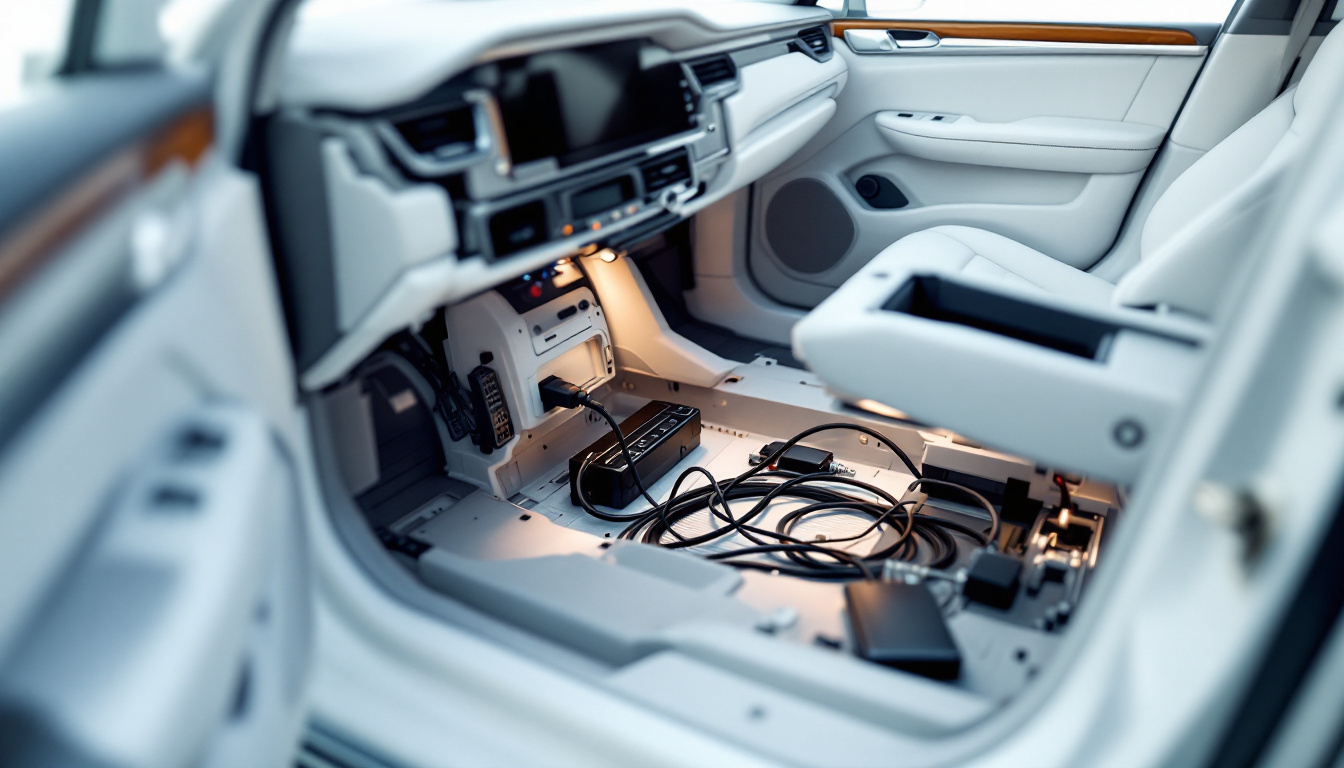
Lexus RX and GX Immobilizer Module Programming in Aledo TX
Lexus RX or GX cranks but will not start with a security light? What immobilizer module programming costs in Aledo TX and how we diagnose it before replacing anything.
A Lexus that cranks strongly and dies half a second later, with a small security indicator blinking on the dash, is not a fuel problem or a battery problem. It is the immobilizer refusing to authorize the engine. Call or text (817) 634-5045 and Aledo Locksmith will diagnose whether the fault is the key, the antenna, or the module itself — before anyone buys a part.
This guide covers what Lexus immobilizer module programming costs in Aledo TX as of August 2026, how the RX and GX systems authenticate a key, and the diagnostic order that keeps owners from replacing expensive modules that were never faulty.
Quick Answer: Cost and Timeline
As of August 2026, Lexus immobilizer work in Aledo runs $120 to $560 depending on what is actually wrong. Key registration to an existing healthy module is at the low end. Module replacement with full programming is at the high end.
Diagnosis runs $90 to $170 and is applied toward the repair. Most jobs take 45 to 120 minutes at the vehicle, and none of them require a tow.
Aledo Lexus Immobilizer Pricing
| Lexus RX / GX Service | Typical Price Range |
|---|---|
| Diagnosis and fault isolation | $90–$170 |
| Key or smart key registration, existing module | $160–$320 |
| Immobilizer or key ECU programming | $260–$480 |
| Module programming plus full key relearn | $340–$620 |
| Additional key registered at the same visit | $80–$180 |
| Antenna ring or coil diagnosis | included in diagnosis |
Ranges only — RX and GX generations differ significantly in architecture, so the VIN decides the real number.
What the Immobilizer Actually Does
Every Lexus key — bladed transponder or proximity smart key — carries a cryptographic element. When you attempt to start the vehicle, a control module challenges that element, the key answers, and only a correct answer permits fuel and spark.
That challenge happens through an antenna. On a bladed-key RX, that antenna is a coil ring around the ignition lock. On a push-button GX or later RX, it is a set of antennas distributed around the cabin that detect the smart key's presence.
Three separate things can break that conversation:
- The key — its transponder element has failed, even though the remote buttons still work.
- The antenna — the coil or antenna can no longer reach the key. Symptom: holding the key directly against the start button sometimes works.
- The module — the immobilizer or key ECU itself has failed, or has lost its stored key data.
They produce nearly identical symptoms and have wildly different prices. That is the entire reason we diagnose before quoting a repair.
The Symptom Pattern
Cranks strongly, dies immediately, security light blinks
Textbook immobilizer rejection. The starter works, the battery is fine, the engine turns — and the module refuses to authorize it. This is not a mechanical fault.
One key works, the other does not
The problem is in the failed key, not the vehicle. Registering a replacement key resolves it — no module work needed.
Every key stopped working at once
Vehicle side. Either the antenna or the module. This is the pattern that costs money, and the pattern where diagnosis matters most.
Holding the smart key against the start button works when normal detection does not
That is the manufacturer's designed backup for a dead fob battery — and it also tells you the module and key are both healthy while the detection path is not. Try a fresh coin cell first. If a new battery restores normal operation, you saved yourself an expensive afternoon.
It started fine, then a mechanic worked on it, and now nothing
Battery disconnection during unrelated work occasionally disturbs stored module data. Common enough that it is always worth mentioning when you call.
Diagnose Before You Buy the Part
Immobilizer control modules on these vehicles are expensive, and their symptoms overlap convincingly with much cheaper faults. We have watched owners buy a module and still have the original problem, because the original problem was a weak 12-volt battery or a corroded ground.
Our sequence:
- Confirm the 12-volt battery and charging system. Low voltage causes an astonishing range of false module symptoms on modern Lexus vehicles.
- Test with a second known key. If one key works, the vehicle is fine and the failed key is the whole story.
- Check the antenna path — whether the vehicle can detect a key at all.
- Read stored fault data from the security system rather than guessing at it.
- Only then decide whether the module needs programming or replacement.
That order costs one diagnosis fee and routinely saves several hundred dollars.
Our post on a security light and a car that will not start covers the general version of this symptom, and the Toyota and Lexus smart key immobilizer reset guide covers the key-side procedures on this family of vehicles.
When the Module Genuinely Needs Programming
If diagnosis confirms the module, here is what the work involves.
A replacement immobilizer or key ECU arrives generic. It has to be configured to your specific vehicle — matched to the VIN, associated with the engine control module, and taught which keys are authorized. Until that is done, the vehicle will crank and refuse to run even with a perfectly good key in hand.
Every key you own then has to be re-registered, because the new module has no memory of them. Bring all of them to the appointment. A key left in a kitchen drawer at home is a key that will not work afterward, and re-registering it later means a second visit.
Battery voltage matters during this work. Programming on a weak battery risks leaving a module in an unrecoverable state, so we check voltage and use a maintainer before writing anything. That is not excess caution — it is the difference between a repair and a much larger bill.
The Used-Module Question
Owners ask about salvage-yard modules constantly, and the honest answer is that it depends on the model year and it frequently does not work.
A used immobilizer module already carries another vehicle's identity. Depending on the generation, it may accept re-configuration, or it may be locked to the vehicle it came from and refuse entirely. Owners buy a bargain unit, it will not take, and the savings evaporate along with the shipping.
Call with your VIN before you buy anything. That conversation costs nothing and has saved several Parker County owners a few hundred dollars.
Register the Spare While It Is Open
The security access required for a key relearn is the expensive part of key work. While the system is already open, adding a key costs $80 to $180 instead of a standalone visit.
If your RX or GX has been running on one key — extremely common on used Lexus vehicles in this market — this is the cheapest moment it will ever be to fix that.
Where the Honest Limits Are
- We do not replace modules we have not confirmed as faulty. On these vehicles especially, cheaper faults imitate module failure well.
- Used modules are generation-dependent and sometimes impossible. We will tell you before you buy, not after.
- Programming does not repair wiring, grounds, or a failing battery. If that is the real fault, that is what we will report — even when a programming job would have been the easier sale.
- Proof of ownership is required for any key registration: photo ID plus title, registration, or an insurance card with the VIN.
- Certain late-model configurations require validation we confirm from the VIN before quoting.
Mobile Module Service Across Parker County
Aledo Locksmith performs Lexus immobilizer diagnosis, programming, and key relearns at your location across Aledo 76008, Willow Park, Annetta, Hudson Oaks, Walsh, Weatherford, and Fort Worth West.
A vehicle that will not start is the worst thing to tow twice. Module work needs equipment and procedure rather than a lift, so we bring it to the vehicle. Independent shops around Parker County regularly call us for exactly this step after handling the mechanical side themselves.
Frequently Asked Questions
My Lexus RX cranks but will not start and the security light is blinking. What is wrong?
That is the immobilizer refusing to authorize the engine. It can be a failed key transponder, a failed antenna, or the module itself. Test a second key first — if the other key starts it, the vehicle is fine and only the failed key needs replacing.
How much does Lexus immobilizer module programming cost in Aledo?
As of August 2026, diagnosis runs $90 to $170, key registration to a healthy module $160 to $320, module programming $260 to $480, and module programming with a full key relearn $340 to $620. The VIN determines which applies.
Do I need new keys if the immobilizer module is replaced?
Usually not new keys, but every key must be re-registered, because a replacement module has no memory of them. Bring all of your keys to the appointment so they are all working when we leave.
Can I use a used immobilizer module from a salvage yard?
Sometimes, depending on the generation. Many are locked to their original vehicle and will not accept a new identity. Call with your VIN before you buy — that call is free and has saved owners real money.
Holding my smart key against the start button makes it work. What does that mean?
That is the manufacturer's designed backup for a dead fob battery, and it tells you the key and module are both healthy while normal detection is not. Try a fresh coin cell first — it often resolves the whole problem.
Can this be done at my house?
Yes. Diagnosis, module programming, and key relearns all happen at the vehicle. Nothing about this work requires a lift, and towing a vehicle that will not start is an avoidable expense.
Lexus RX or GX Not Starting in Parker County?
We diagnose whether it is the key, the antenna, or the module — then program it at your home or shop. No tow.
Call or text (817) 634-5045 with your year, VIN, and the exact symptoms.
This article was written by the Aledolocksmith Automotive Locksmith Team.